Force calibration
Force calibration is one of the essential services that ensure your industrial devices and test equipment deliver reliable results. Improperly calibrated load cells, dynamometers, or force gauges may lead to faulty measurements, production errors, quality control issues, and safety risks. Therefore, periodic calibration, traceable reporting, and compliance with international standards are of critical importance. At ESM Calibration, our force calibration service is designed to improve measurement accuracy, extend device lifespan, and ensure repeatability in your processes.
What is Force Calibration?
Force calibration is the process of identifying and correcting the differences between a device’s displayed force values and known reference forces. The references used during this process are usually based on nationally or internationally traceable standards (such as ISO). The accuracy of load cells, dynamometers, testing machines, or force measuring modules is evaluated, and deviation, error margin, and uncertainty values are calculated. Results are documented with an official calibration certificate, which proves your equipment operates within acceptable tolerances and can be presented during audits.
How is Force Calibration Performed?
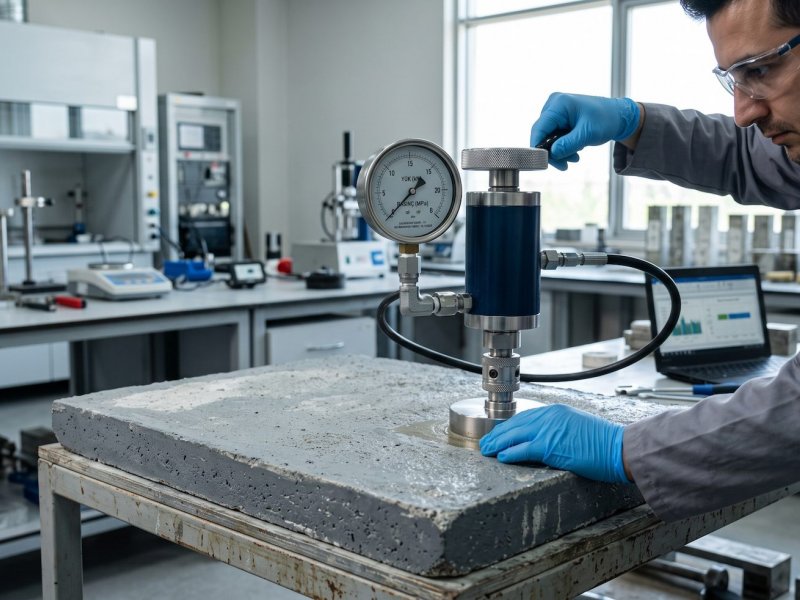
Force calibration follows a systematic procedure. First, the physical condition and assembly of the device are checked, while environmental conditions (temperature, humidity, vibration) are recorded. Then, traceable reference equipment is used to apply loads at specific force levels (low, medium, high), and the device readings are compared with the reference. Using the obtained data, deviation analysis, linearity checks, and repeatability tests are carried out. If necessary, adjustments (recalibration) are made based on the calibration results, and all measurements, including uncertainty calculations, are reported in detail to the customer.
Where is Force Calibration Used?
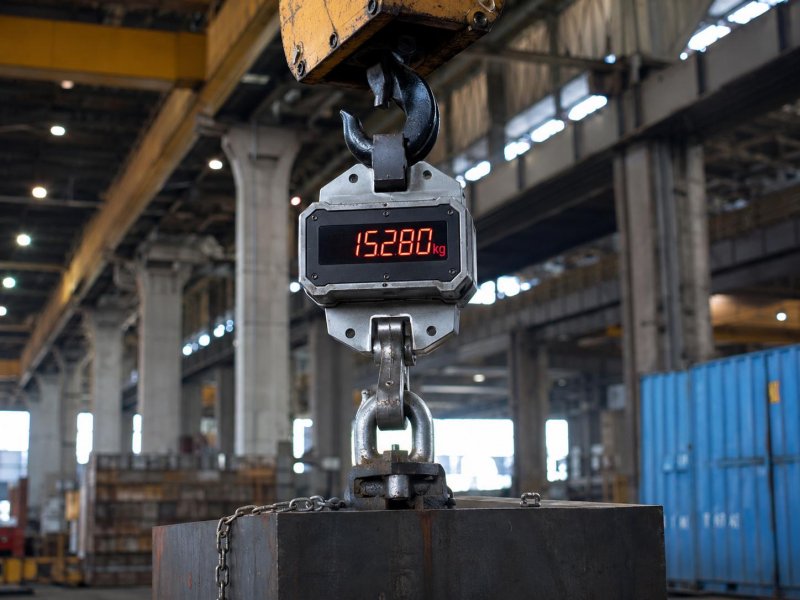
Force calibration has a wide range of applications, including production lines, machinery manufacturing, automotive and aerospace testing, construction and material testing, R&D laboratories, metallurgy testing, and quality control laboratories. Accurate force measurement is especially critical in test systems with load cells, tensile-compression machines, and production line control mechanisms, as it directly affects part quality and safety.
Why Should You Perform Regular Calibration?
- Reduces measurement errors and increases product consistency.
- Ensures compliance with legal and industry standards, providing documentation for audits.
- Detects equipment malfunctions early, reducing maintenance costs.
- Provides safe operation and quality assurance in production processes.
The ESM Calibration Advantage
At ESM Calibration, we provide force calibration services with traceable references, experienced technicians, and comprehensive reporting. With after-service support, periodic follow-ups, and optional on-site calibration, we guarantee the accuracy of your measurements and the reliability of your equipment.