Calibration of Volume
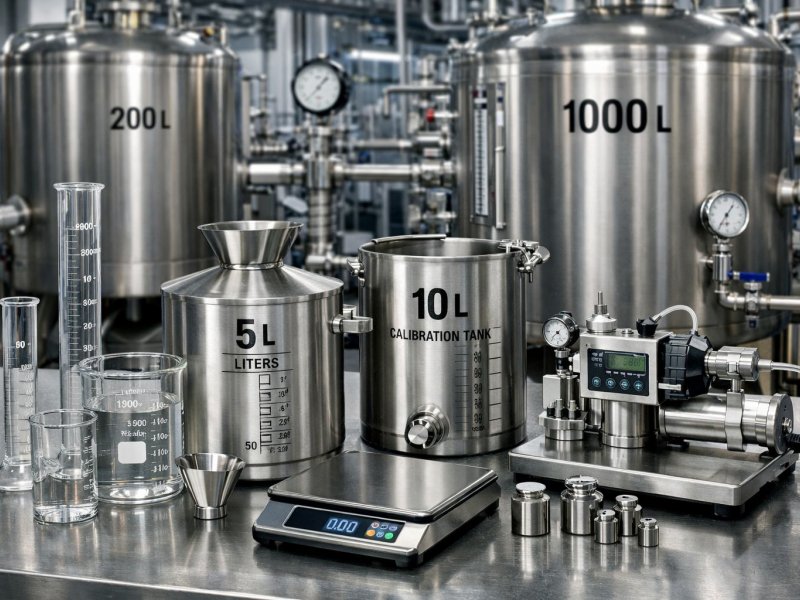
Volume calibration is the process of determining and documenting whether devices or containers that measure the volume of liquids or gases provide accurate measurements, using traceable standards.
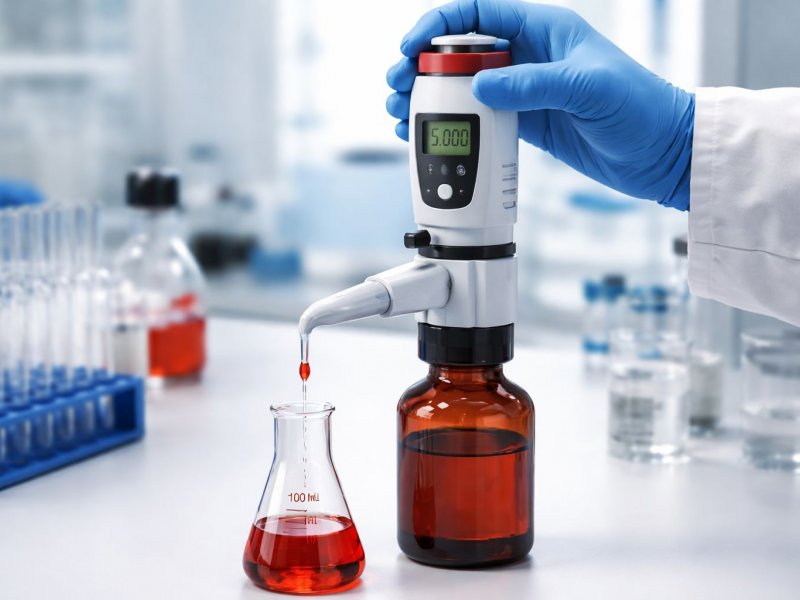
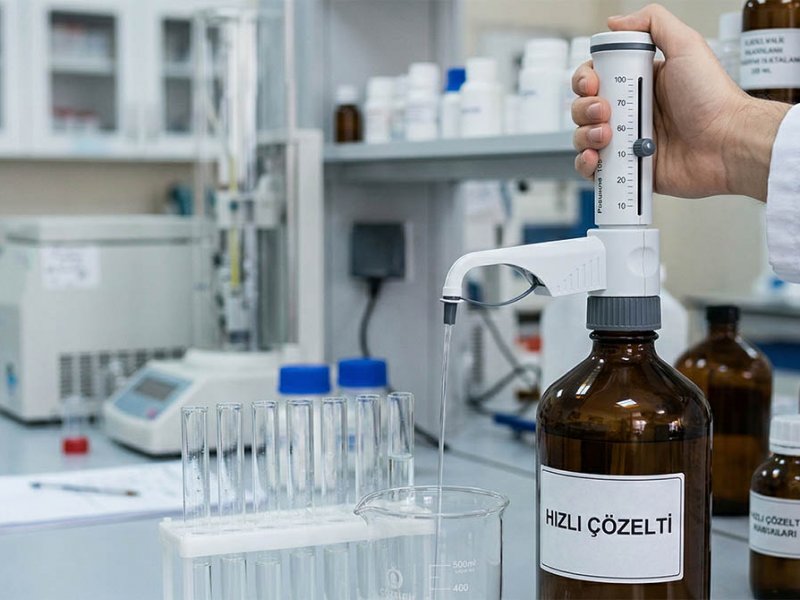
This process is especially important in fields where precise volume measurement is critical, such as filling and emptying containers, laboratory analyses, and industrial production.
Within our scope of volume calibration;
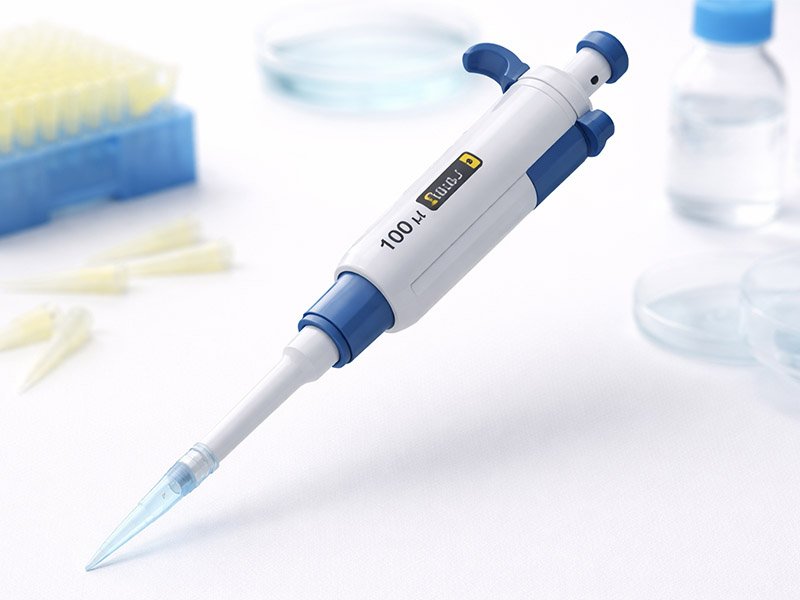
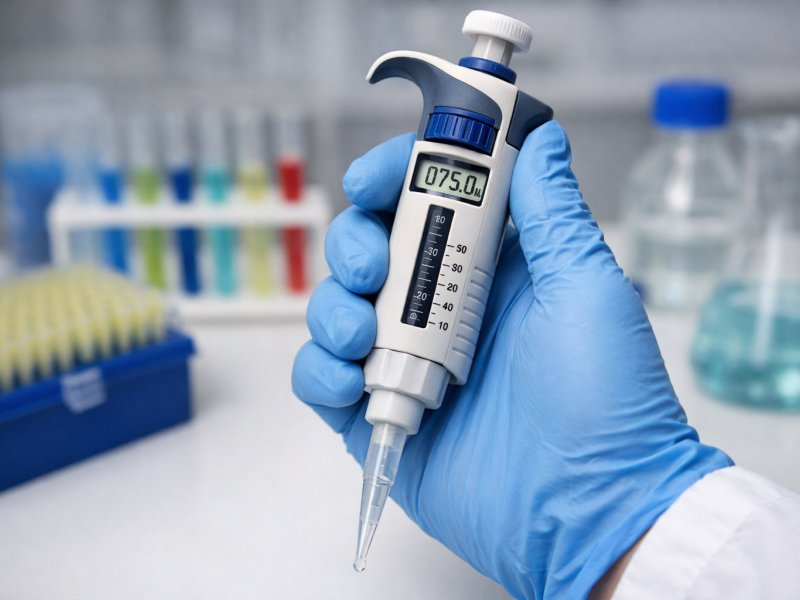
- Pipettes and automatic pipettes,
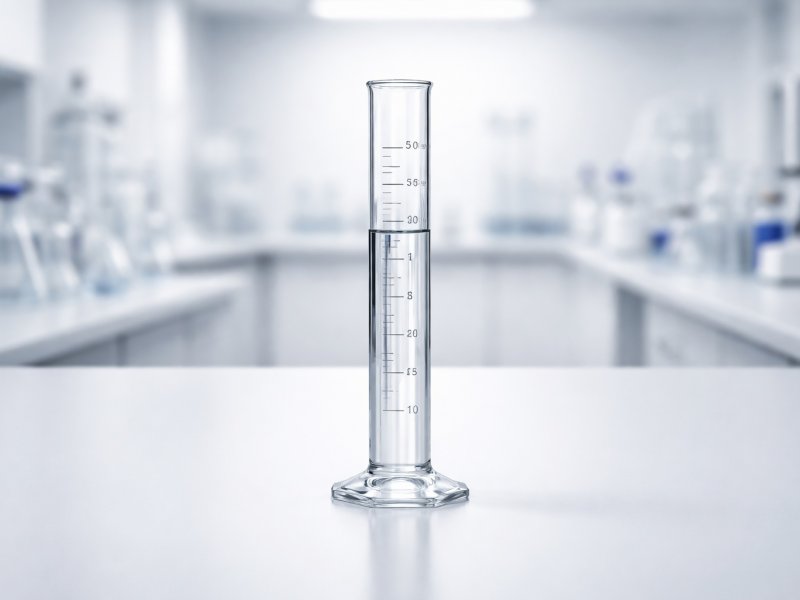
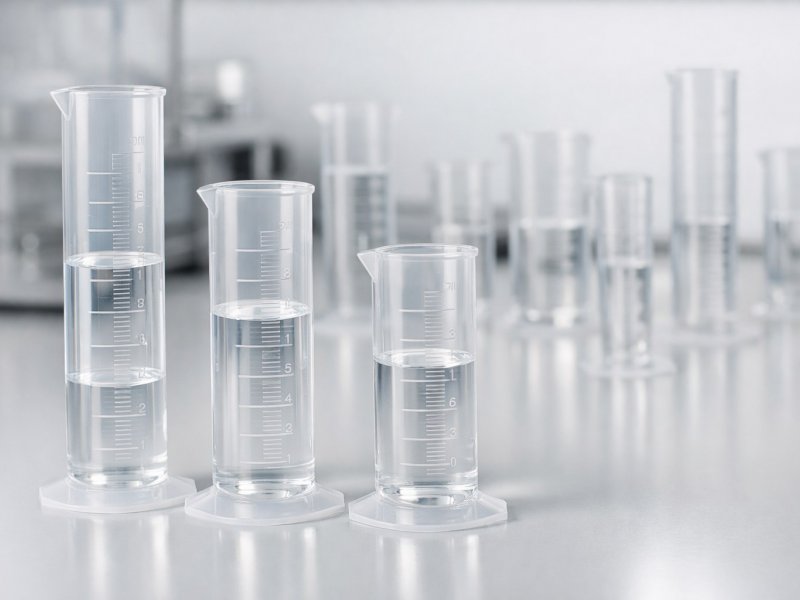
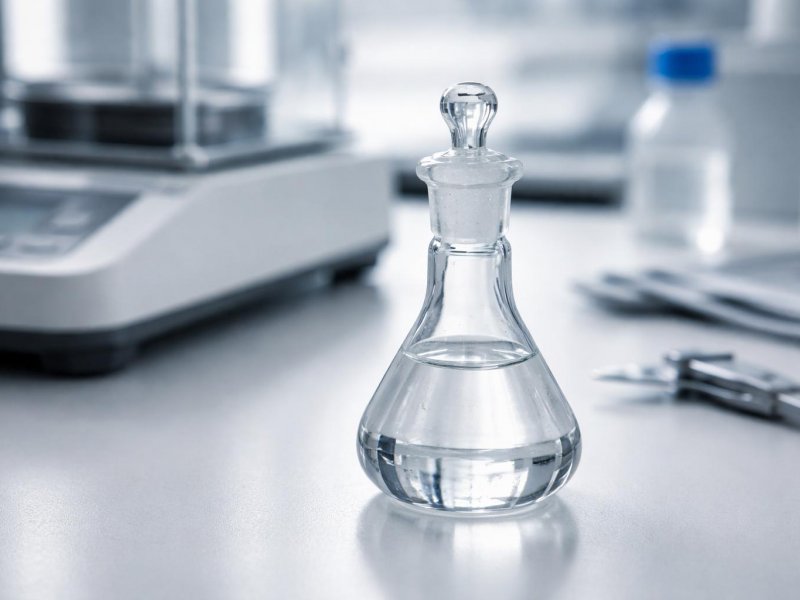
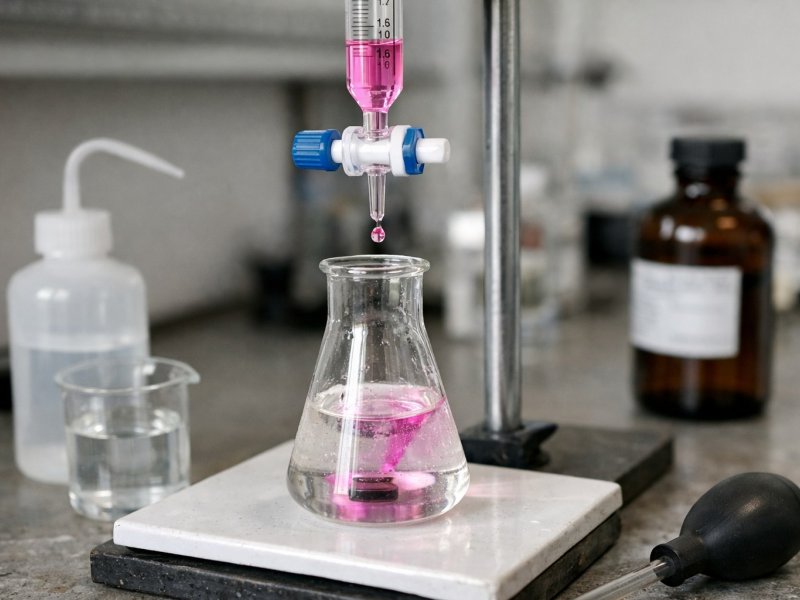
- Laboratory glassware such as burettes, measuring cylinders, and volumetric flasks,
- Pycnometers
Calibration procedures are performed using the gravimetric method:
- Gravimetric method: converting the measured volume to mass and calculating the volume by measuring this mass with a precision balance
Environmental conditions (especially temperature) must be carefully monitored during volume calibration, as the volume of liquids can change depending on temperature. Therefore, temperature corrections and density calculations are often an integral part of the process.
At the end of calibration, device deviations are determined and evaluated according to national or international standards. The results are documented with a calibration certificate, and the reliable measurement range of the device is defined.
Volume calibration is indispensable in all fields where precise volume measurement directly affects process quality, such as pharmaceutical industry, chemical industry, food production, laboratory services, and the petroleum sector.