


Plastic Graduated Cylinder
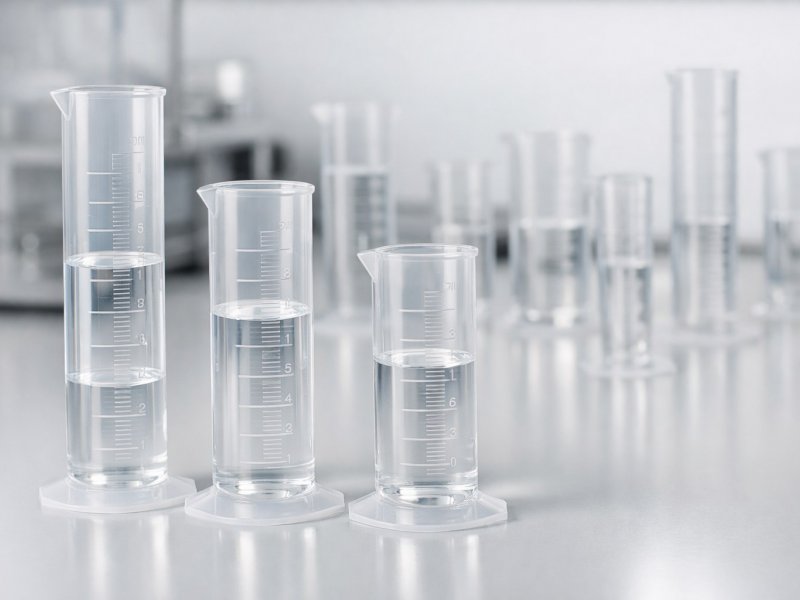
Plastic graduated cylinders are widely used measuring instruments in laboratories, production facilities, and quality control processes for the fast and practical measurement of liquid volumes. Commonly preferred in chemistry, food, environmental, and educational laboratories, plastic graduated cylinders offer significant advantages in daily use thanks to their lightweight structure and resistance to impact. However, these advantages do not guarantee that measurement accuracy will be maintained over time. For this reason, graduated volume measurement and regular calibration are of critical importance for plastic graduated cylinders.
What Is a Plastic Graduated Cylinder?
A plastic graduated cylinder is a volume measuring vessel manufactured from polypropylene or similar plastic materials, featuring graduation marks that indicate specific volume values. Compared to glass graduated cylinders, plastic versions offer lower risk of breakage, improved portability, and cost efficiency. However, the susceptibility of plastic materials to temperature changes, chemical interaction, and long-term deformation can directly affect measurement accuracy.
The Importance of Graduated Volume Measurement
Graduated volume measurement is based on reading the liquid volume according to the scale markings on the cylinder. While this method allows for quick measurements, accurate results depend on the conformity of the graduation marks to the actual volume values. In plastic graduated cylinders, deviations in graduations may occur due to manufacturing tolerances, prolonged use, and environmental conditions. Such deviations can lead to significant measurement errors, particularly in processes that require high repeatability and accuracy.
Why Is Calibration of Plastic Graduated Cylinders Necessary?
Calibration is the process of comparing the indicated volume values of a plastic graduated cylinder with reference standards and identifying any deviations. Calibration services provided by our calibration laboratory enhance the reliability of measurement results and ensure international traceability. Through regular calibration:
- Measurement errors are detected at an early stage
- Quality control processes are secured
- Compliance with ISO and similar quality standards is achieved
- Repeatable and comparable measurement results are obtained
How Is the Calibration Process Performed?
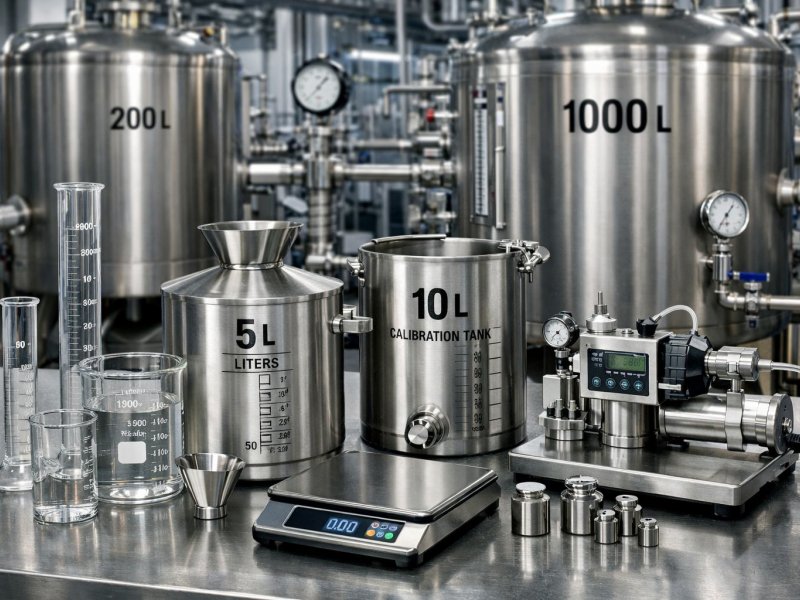
Plastic graduated cylinder calibration is carried out in a controlled laboratory environment using specified reference liquids and high-precision weighing systems. The cylinder is filled to defined volume levels, and the actual volume is calculated using the gravimetric method. The obtained results are compared with the nominal values indicated on the cylinder to determine volume deviations. The calibration process is documented and reported in accordance with applicable international standards.
Measurement Reliability in Plastic Graduated Cylinders
Accurate volume measurement in plastic graduated cylinders is not limited to calibration alone. Proper reading angle, suitable temperature conditions, and clean measuring surfaces also play a crucial role in measurement reliability. Our calibration laboratory provides not only measurement verification but also technical guidance on proper usage and maintenance, offering a comprehensive service to its customers.
Conclusion and the Importance of Professional Calibration
Although plastic graduated cylinders are practical and widely used measuring tools, regular calibration is essential to ensure accurate and reliable results. Even minor deviations in graduated volume measurement can directly affect analytical outcomes and production quality. Through our professional calibration services, the measurement performance of your plastic graduated cylinders is secured, your processes are aligned with international standards, and sustainable measurement quality is maintained.
 What Is a Volumetric Flask?
 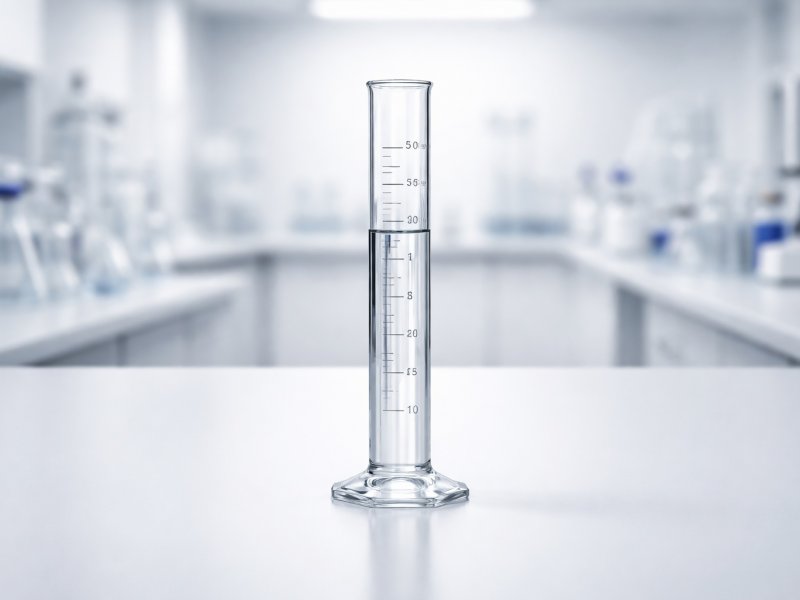 Glass Graduated Cylinder
 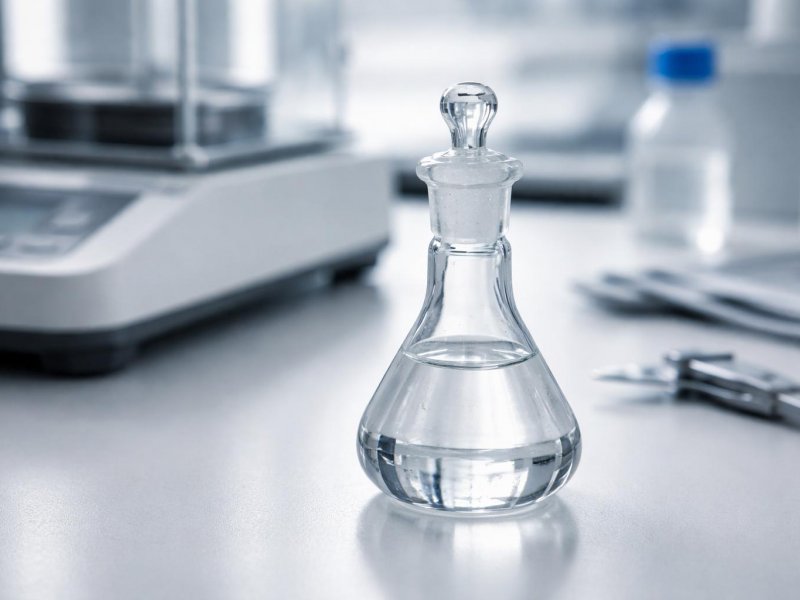 Pycnometer
  Volumetric Pipette (Single Mark)
 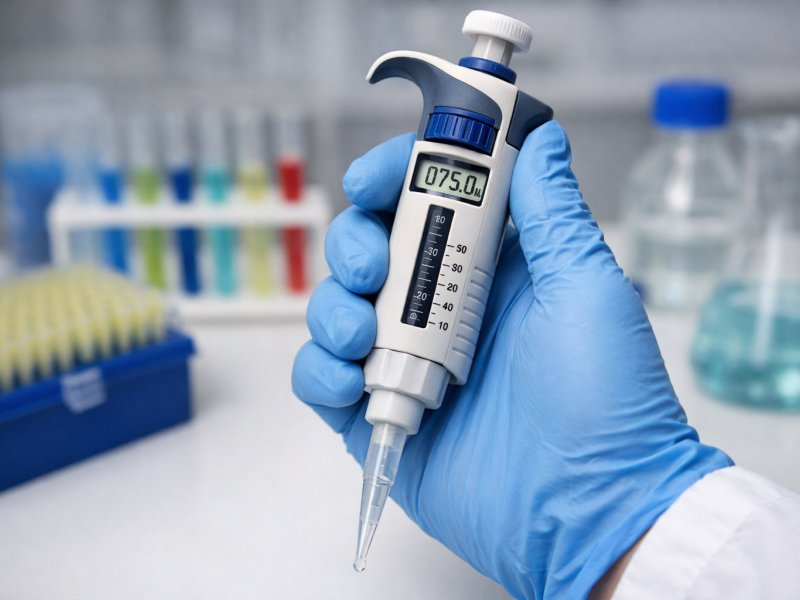 Graduated Pipette
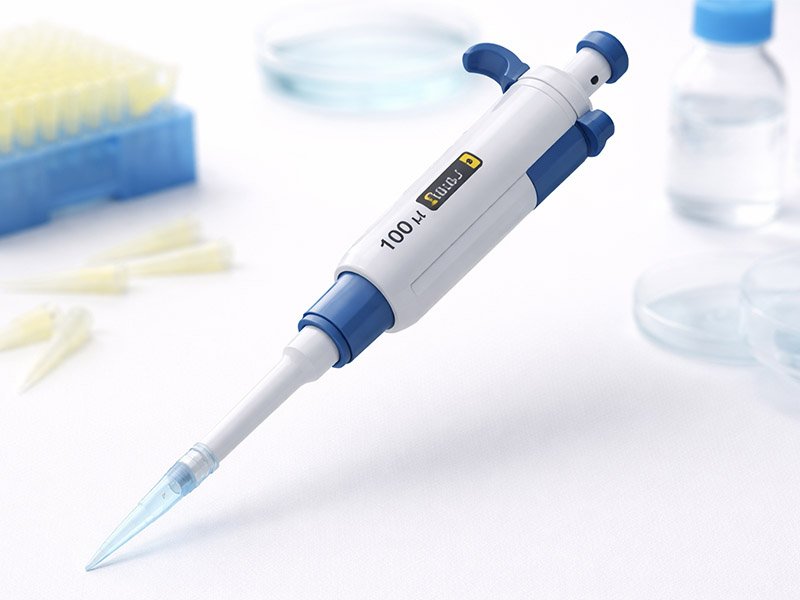
  Micropipette (Piston Pipette)
 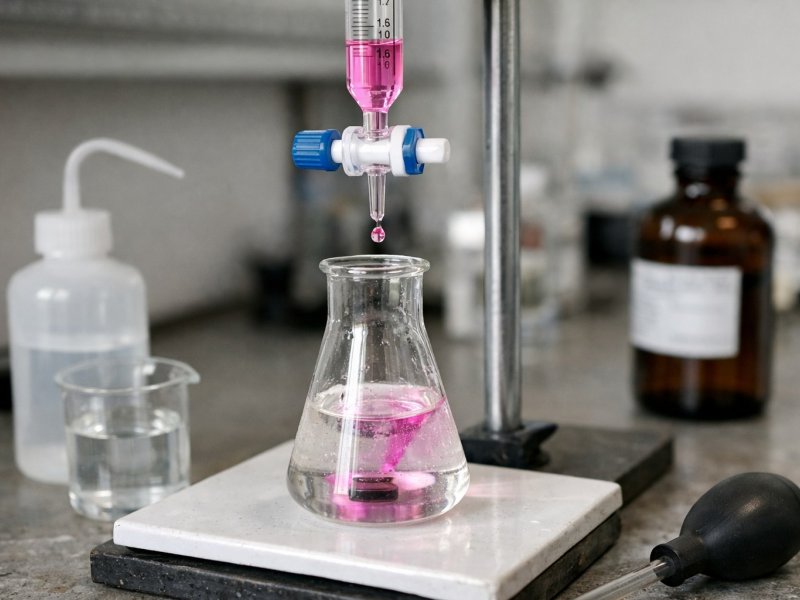 Burette
 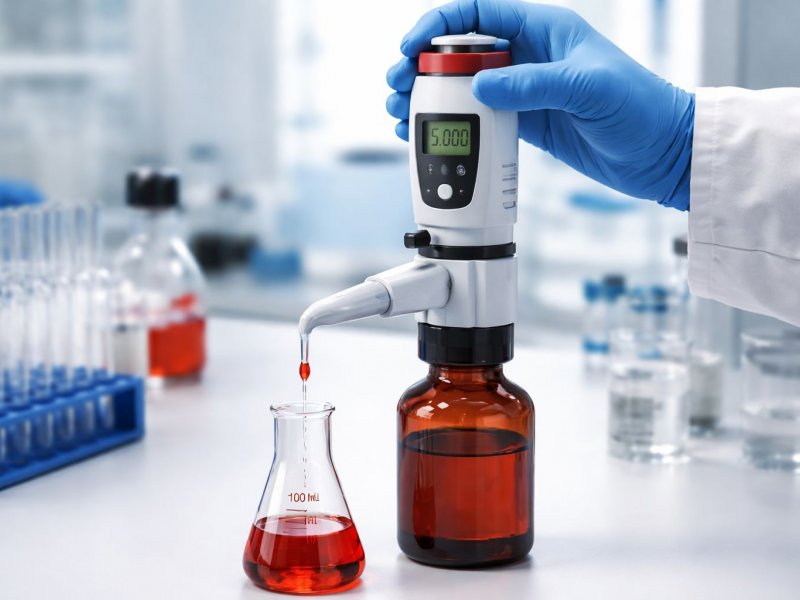 Piston Burette
 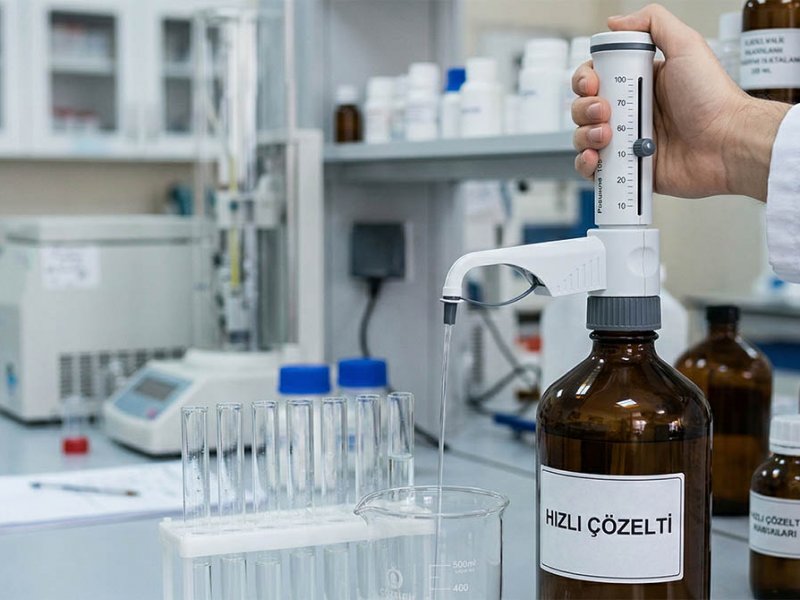 Piston Dispenser
  Capacity Measuring Vessels