


Burette
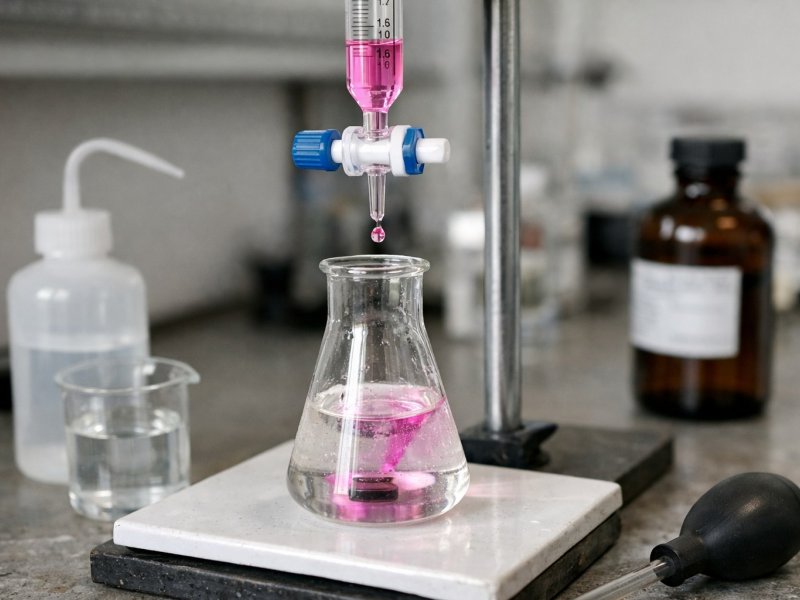
Burette – Titration Volume Measurement
In laboratory analyses, the precise and controlled measurement of liquids is critical to ensuring the accuracy of results. The titration method, widely used in chemical analysis, is one of the most important techniques that requires accurate volume measurement. One of the fundamental instruments used in this process is the burette. Providing high-precision liquid transfer, burettes are among the indispensable measuring tools in analytical laboratories.
What is a Burette?
A burette is a long, graduated measuring instrument, typically made of glass, equipped with a stopcock (valve) at the bottom to control the flow of liquid. Thanks to the precise graduation marks on its body, liquid volumes can be measured with high accuracy at the milliliter level. Burettes are especially used in titration processes where a solution must be added slowly and in a controlled manner to another solution.
With these devices, liquid can be dispensed drop by drop, allowing precise control of the reaction and accurate determination of the endpoint (equivalence point). This provides a significant advantage in terms of the reliability of analytical results.
Applications of Burettes
Burettes are used in a wide range of laboratory applications that require precise volume measurement. They are especially common in analytical chemistry. Their main areas of use include:
- Acid-base titrations
- Chemical analysis and solution preparation
- Pharmaceutical and drug research
- Food quality control analysis
- Environmental analysis and water testing
Even very small volume errors in these applications can directly affect analytical results. Therefore, it is extremely important that burettes provide accurate and reliable measurements.
The Importance of Burette Calibration
To maintain the accuracy of laboratory measuring instruments, regular calibration procedures must be carried out. Over time, burettes may lose measurement precision due to frequent use, cleaning processes, or environmental conditions.
Through a professional volume calibration process, the accuracy of the burette at specific volume points is tested. This process is generally performed using the gravimetric method, and the results are evaluated according to national and international metrology standards.
Calibration determines the actual performance of the burette and identifies possible deviations, allowing necessary adjustments to be made. This significantly improves the reliability of laboratory analyses.
Reliable Calibration for Accurate Measurement
The accuracy of analytical results directly depends on the precision of the measuring equipment used. Regular calibration of burettes not only enhances measurement reliability but also ensures the consistency and repeatability of results.
With burette calibration services provided by expert calibration laboratories, the measurement accuracy of your instruments is assured. This enables you to achieve reliable, accurate, and standards-compliant results in your laboratory work.
 What Is a Volumetric Flask?
 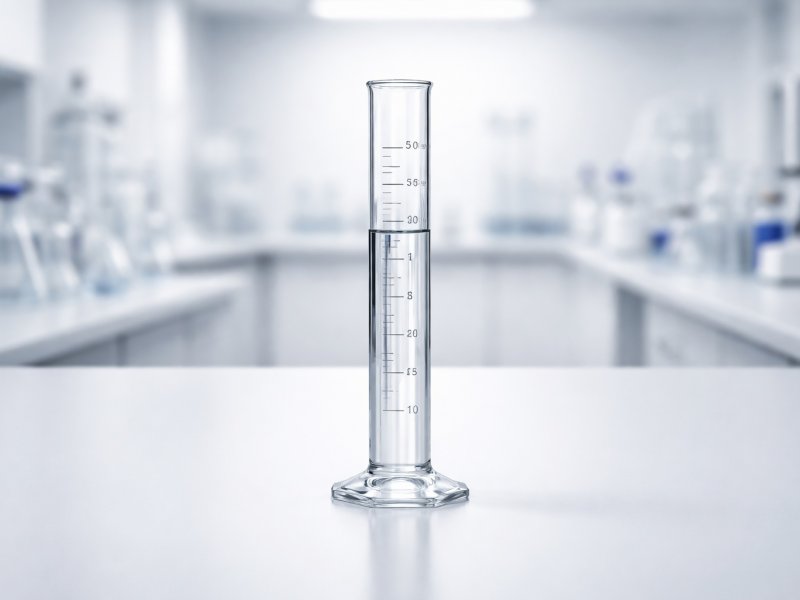 Glass Graduated Cylinder
 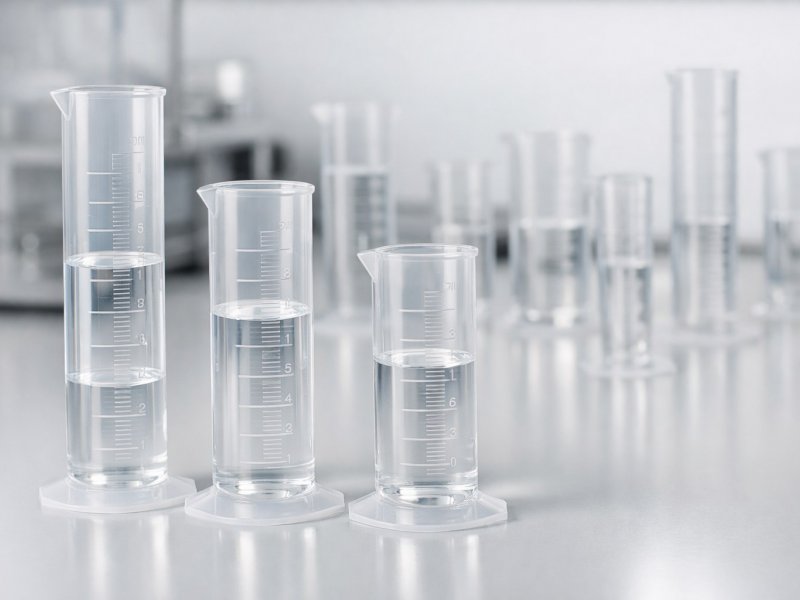 Plastic Graduated Cylinder
 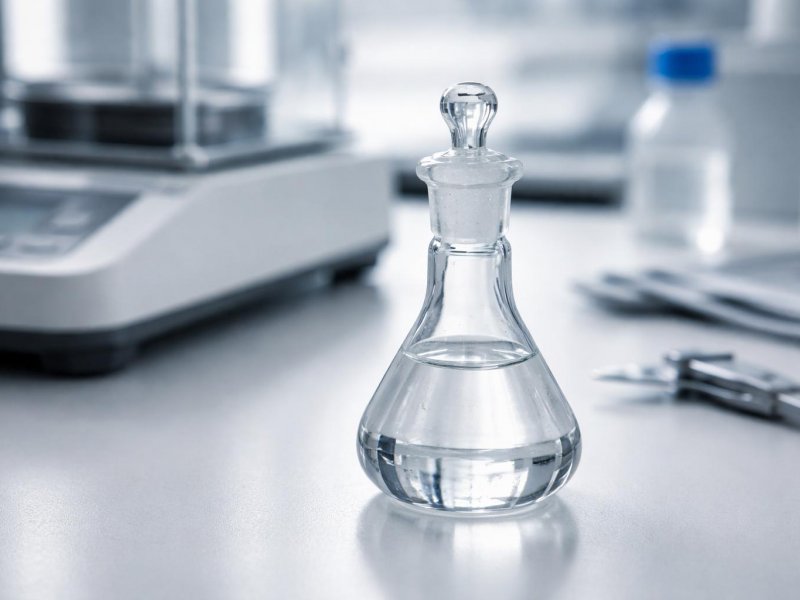 Pycnometer
 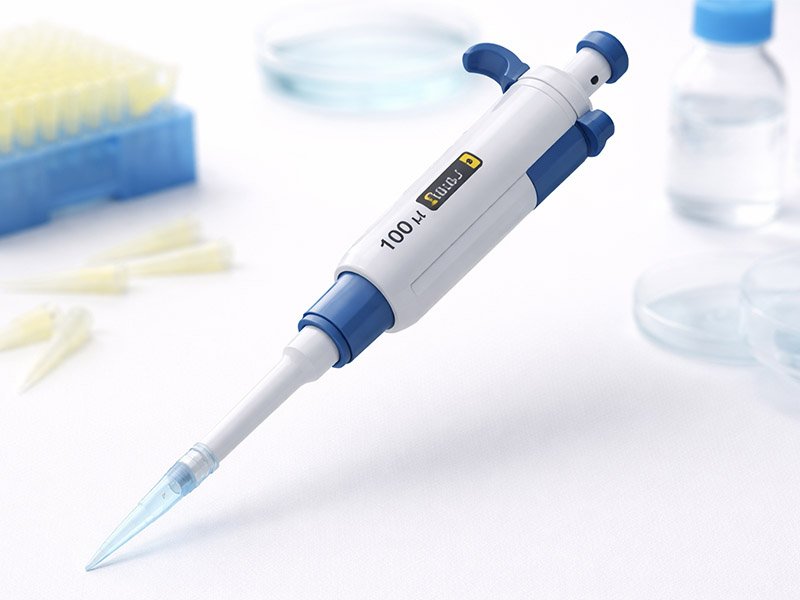 Volumetric Pipette (Single Mark)
 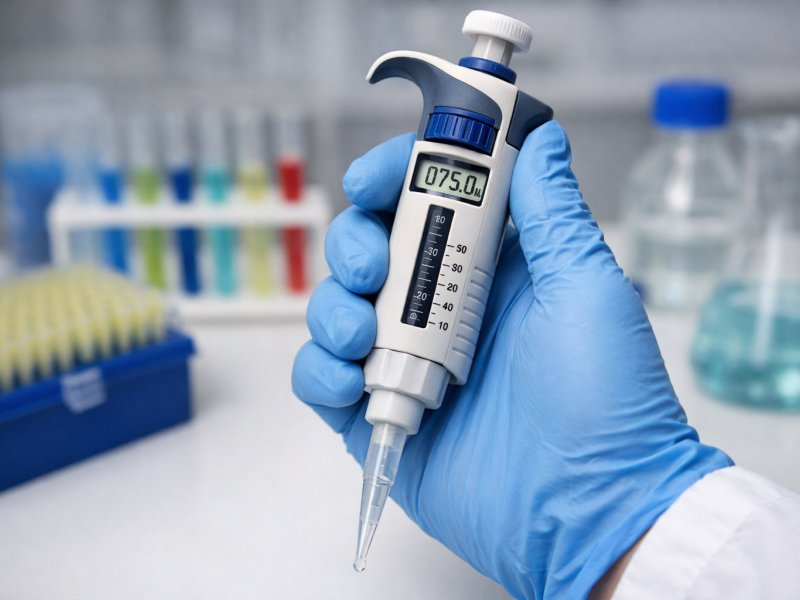 Graduated Pipette
  Micropipette (Piston Pipette)
 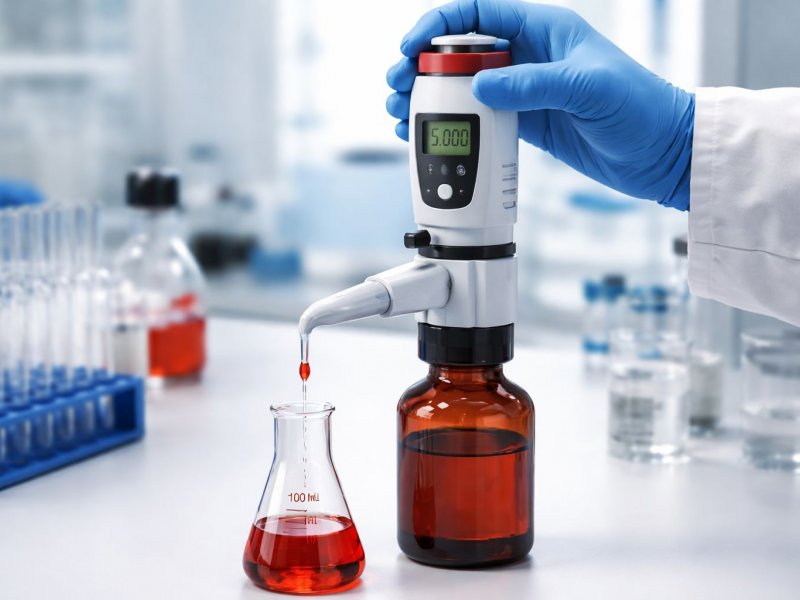 Piston Burette
 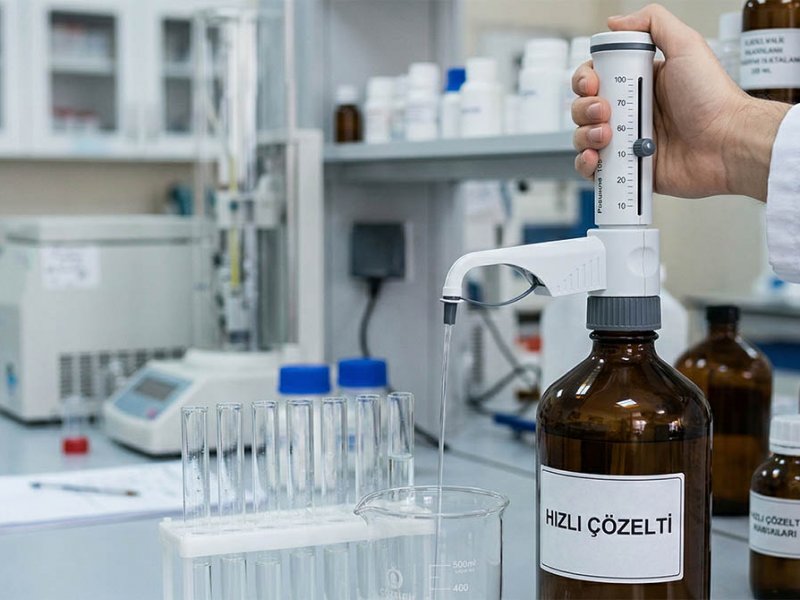 Piston Dispenser
 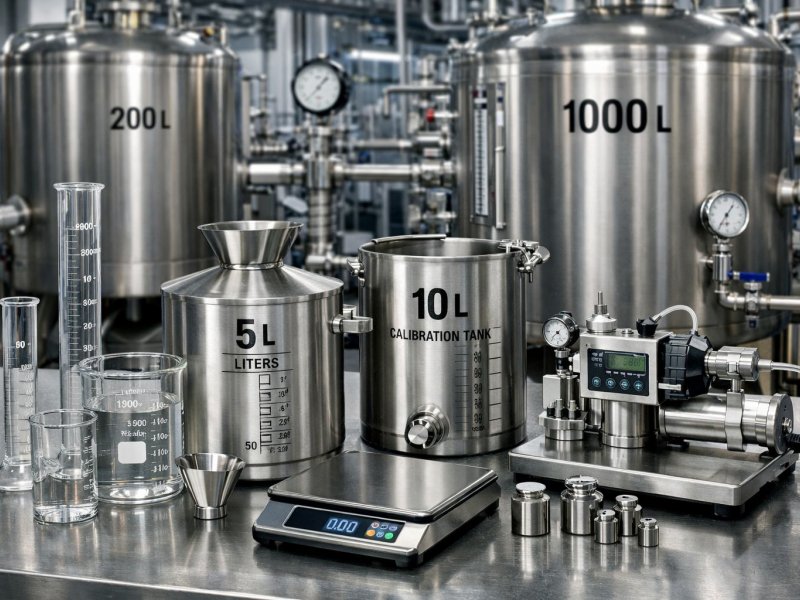 Capacity Measuring Vessels