


Pycnometer
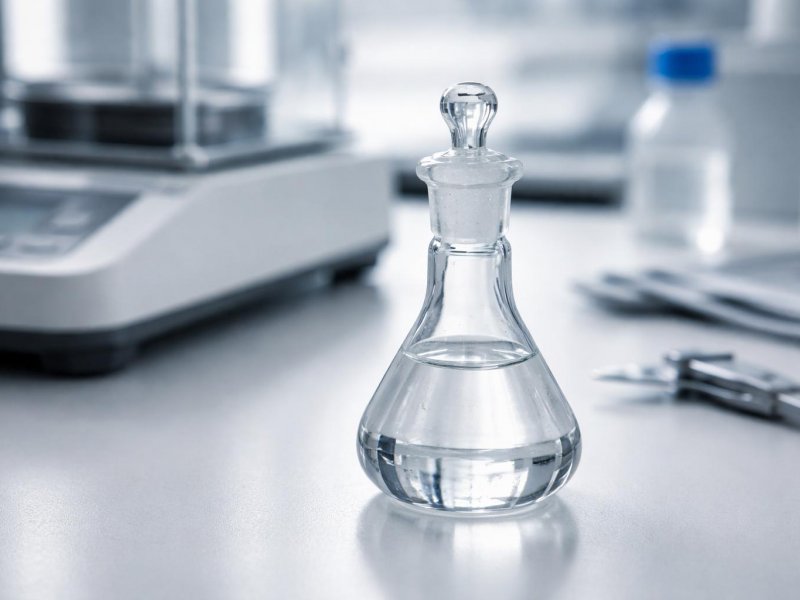
What Is a Pycnometer?
A pycnometer is a precision measuring instrument used to determine the density of liquids and solids with high accuracy, where volume accuracy is critically important. Its basic operating principle is based on the relationship between a fixed, well-defined volume at a specific temperature and the measured mass. Thanks to this principle, pycnometers are accepted as reference instruments for high-precision volume and density-related measurements.
In laboratory applications, density is a fundamental parameter for quality control and material characterization. Pycnometers increase the reliability of analytical results by enabling accurate and repeatable density measurements.
High-Precision Density Measurement with a Pycnometer
Density measurement is based on determining the mass of a substance per unit volume. In measurements performed using a pycnometer, the volume of the instrument is fixed and known. During the measurement, the mass of the liquid or solid contained in the pycnometer is determined using precision balances, and the density is calculated accordingly.
One of the main advantages of this method is its minimal susceptibility to environmental influences and operator-related errors. When measurements are performed under controlled temperature conditions, pycnometer measurements provide low uncertainty values and are ideal for applications requiring high accuracy.
Effect of Volume Accuracy on Measurement Results
The accuracy of the density value obtained from a pycnometer measurement directly depends on the volume accuracy of the instrument. Even very small deviations in volume can cause significant differences in density calculations. Therefore, manufacturing tolerances, usage conditions, and possible deformations over time must be carefully monitored.
For applications requiring high-precision volume measurement, regular verification of the pycnometer is one of the fundamental requirements for measurement reliability.
Why Is Pycnometer Calibration Necessary?
Pycnometer calibration is the process of comparing the nominal volume of the instrument with its actual volume value and determining the measurement uncertainty. During calibration, reference liquids and gravimetric methods are used to evaluate the volume accuracy of the pycnometer.
Calibrations performed by our calibration company ensure that measurement results are traceable to national and international standards. This allows density measurements to be used confidently within quality management systems and audit processes.
Main Stages of the Calibration Process
Pycnometer calibration is carried out in a controlled laboratory environment. First, the instrument is cleaned and allowed to reach thermal equilibrium. Then, the mass of the pycnometer filled with a reference liquid is measured using precision balances. The actual volume is calculated from the obtained data and compared with the nominal value.
All measurement results, environmental conditions, and calculated uncertainty values are documented in detail in the calibration report.
Areas of Use and Industrial Importance
Pycnometers are widely used in chemical and petrochemical laboratories, the pharmaceutical and food industries, the paint and coatings sector, academic research, and R&D centers. In sectors where density-based quality criteria are defined, pycnometer measurements are critically important.
In calibration laboratories, pycnometers are considered one of the core components of the density measurement chain. A correctly calibrated pycnometer directly affects the reliability of the entire measurement system.
Conclusion
The pycnometer is a fundamental measuring instrument that provides high accuracy, low uncertainty, and repeatability in volume and density-related measurements. When supported by regular calibration, pycnometers guarantee traceability of measurement results and facilitate compliance with quality standards. Professional calibration services ensure reliable measurement performance and sustainable measurement quality.
 What Is a Volumetric Flask?
 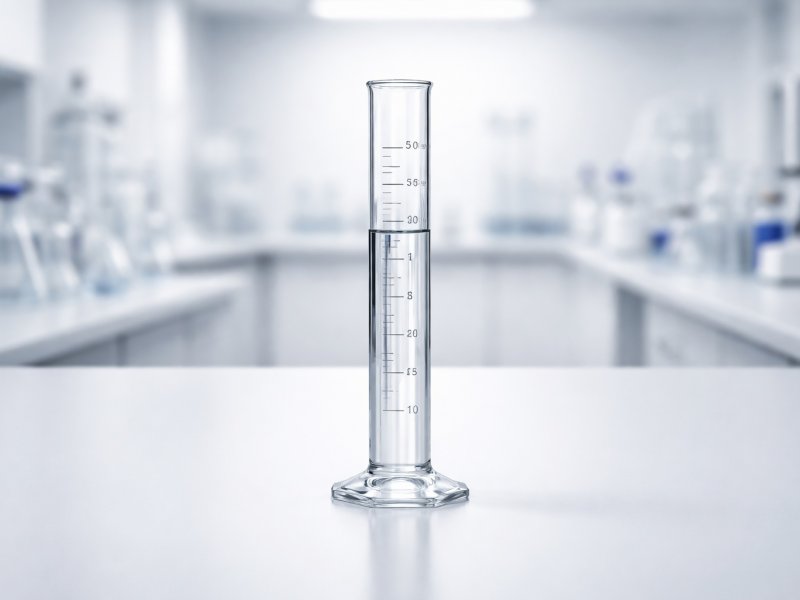 Glass Graduated Cylinder
 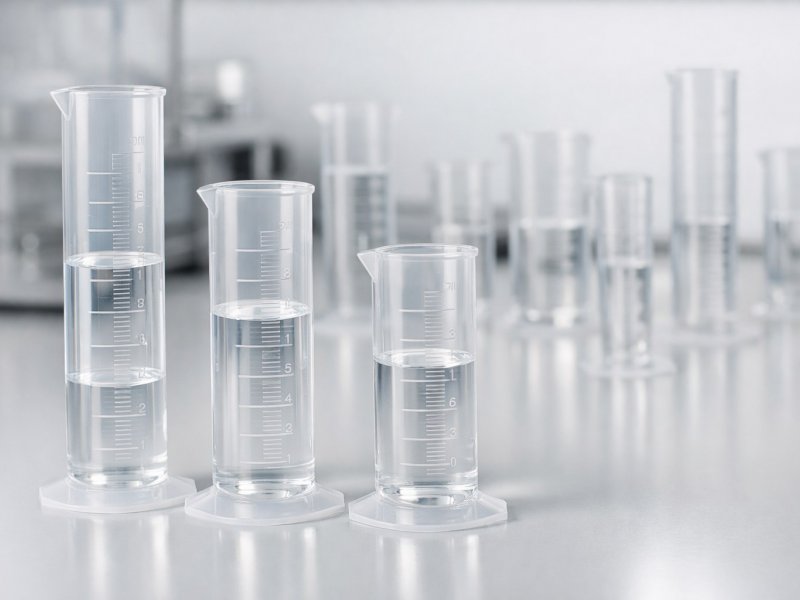 Plastic Graduated Cylinder
 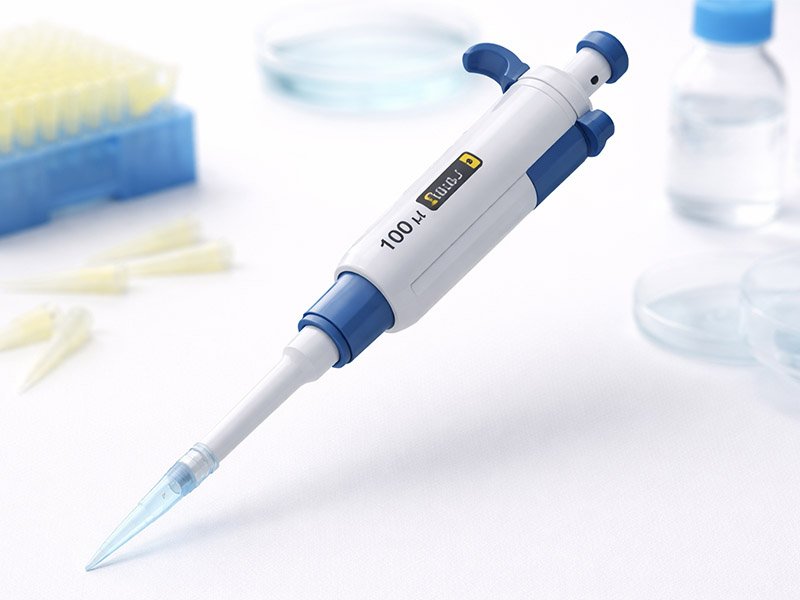 Volumetric Pipette (Single Mark)
 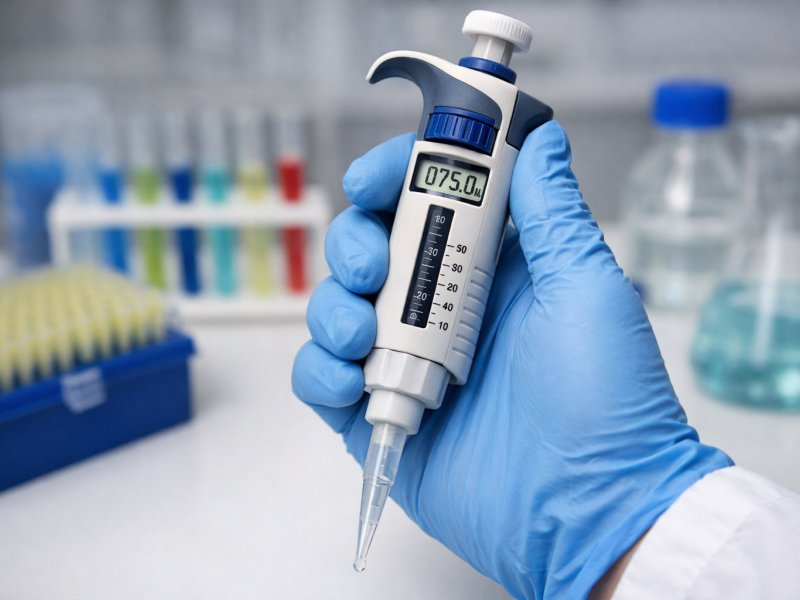 Graduated Pipette
  Micropipette (Piston Pipette)
 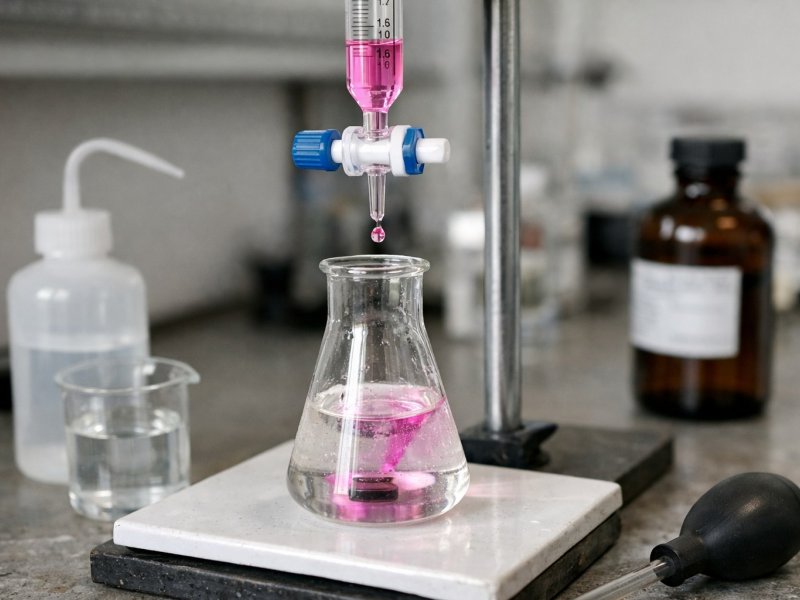 Burette
 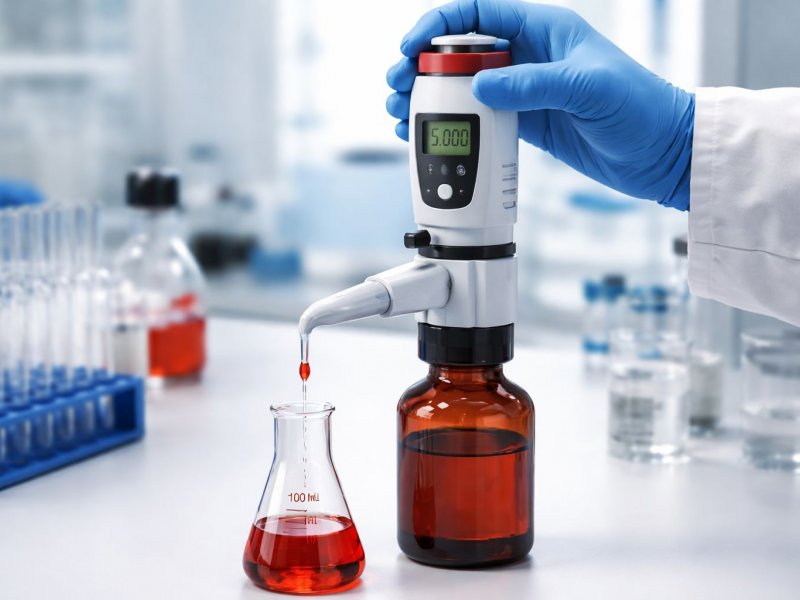 Piston Burette
 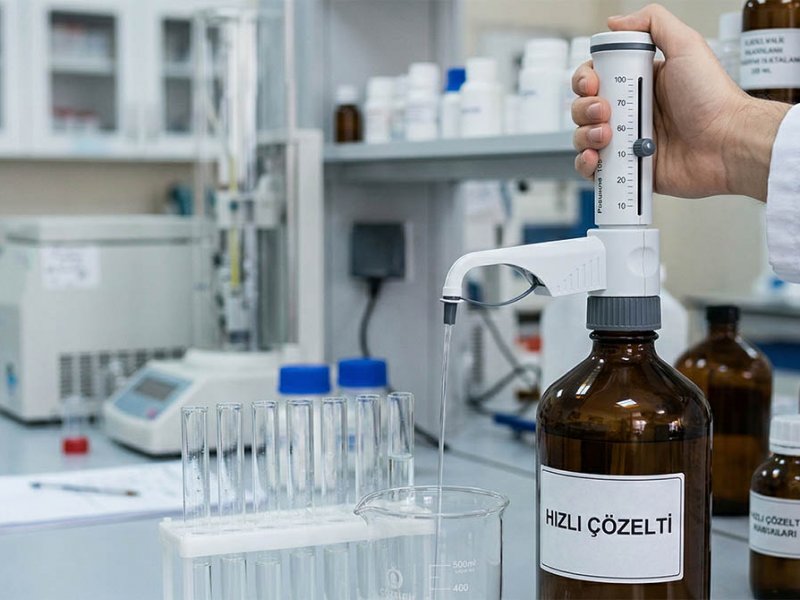 Piston Dispenser
  Capacity Measuring Vessels